

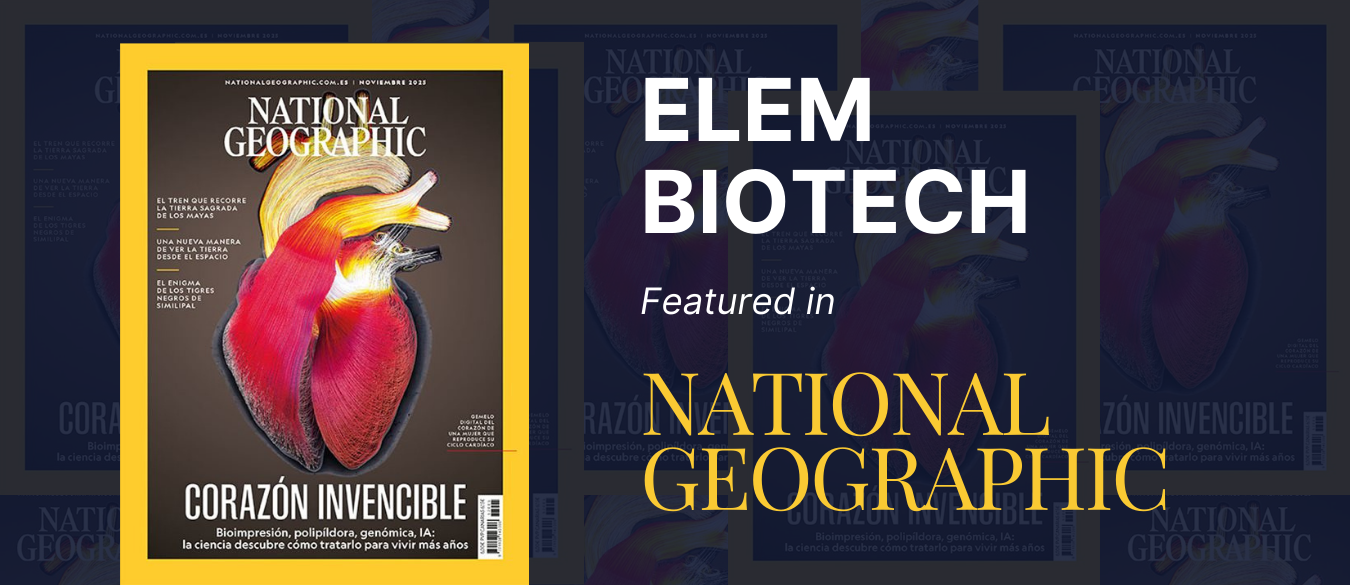
According to the November issue of National Geographic, cardiovascular diseases remain the leading cause of death worldwide, yet the era of Digital Cardiology: personalized therapies, earlier diagnosis, and predictive tools that a few years ago seemed like science fiction.
Lucía’s Journey: A Personal Story of Women Heart Health
The story of Lucía, as featured in the review, highlights how women’s heart health is still often misunderstood and underestimated.
According to the publication, Lucía was born after her older sister, Estela, tragically died at just nine years old from an undiagnosed hereditary heart condition.
Today, at 32, Lucía lives with desmoplakin dilated cardiomyopathy, a genetic condition that progressively weakens the heart muscle. Under the care of cardiologist Ana García, one of Spain’s leading experts in familial and hereditary cardiac diseases, Lucía undergoes continuous monitoring and rehabilitation in preparation for a possible heart transplant.
Hereditary cardiomyopathies like hers affect approximately 1 in 2,000 people, and when they appear in childhood, they tend to be more severe.
This story shows how these conditions disproportionately affect women, who often receive late diagnoses or misattribute their symptoms to stress or fatigue, underscoring the importance of early detection.
Digital Twins: the new MRI
As reported in the November issue of National Geographic, research has already brought digital twins of the heart into clinical practice. These virtual models simulate disease progression and help predict patient responses to treatments in real time.
Our CTO Mariano Vázquez, a researcher at the Barcelona Supercomputing Center, has been developing virtual heart models since 2005. After creating a “healthy average heart,” he and his team now model many prevalent cardiac diseases, providing cardiologists with real-world tools to plan treatments, monitor patients, and personalize care.
According to Vázquez, Digital twins are becoming as essential as MRI scans: cardiologists can order virtual copies of a patient’s own heart to determine the best diagnosis and treatment plan today.
More info on Digital Twins?
ELEM Virtual Humans deliver predictive insights for safer, faster, and more effective clincial outcomes.