bool(false)

array(0) { }

Behind ELEM Virtual Human Twin

VHT

What is a Virtual Human Twin?

Patient dataset + computer model

A virtual human twin (VHT) is a digital representation of a human health or disease state. They refer to different levels of human anatomy (e.g. cells, tissues, organs or organ systems).
VHTs are built using software models and data and are designed to mimic and predict behaviour of their physical counterparts, including interaction with additional diseases a person may have.

European Commission’s Virtual Human Twins initiative for health and care

The technology

From Data to quantitative predictions of clinical outcomes

1

Virtual Humans

from patient data to personalized VHTs

2

Alya bio- simulation engine

HPC simulations of organ function and treatment response.

3

Advanced AI analysis

Insights generation, scale predictions

4

Cloud deployed

web-based platform tailorable to different use cases.

Our simulation engine

Alya: our high-performance physics-based simulation code

Co-developed with the Barcelona Supercomputing Center, Alya powers our ability to model cardiac function based on real patient data and geometries by simulating the complex multi-physics underlying our models, including electrophysiology, biomechanics, and hemodynamics. 

1

Multiphysics

2

MultiScale

3

High Performance Computing

4

Full-organ model

Key aspects

Every result we deliver is backed by validated data, transparent versioning and rigorous scientific methodology  

Built on real clinical data

Our technology is built on real clinical data, including high-resolution imaging and diagnostics, under strict data governance protocols.

Physics-based Modelling

Our models rely on centuries of mathematical and physical models of nature, ensuring that predictions are interpretable, reproducible and consistent with real-world science.

Engineered by Experts

Our technology is developed by a team of senior engineers and domain scientists with experience in modeling and simulation, medical informatics and AI.

Model Validation Against Reality

We compare simulated outputs to actual clinical outcomes to ensure alignment between predictions and biological evidence.

For precision medicine 

Personalization

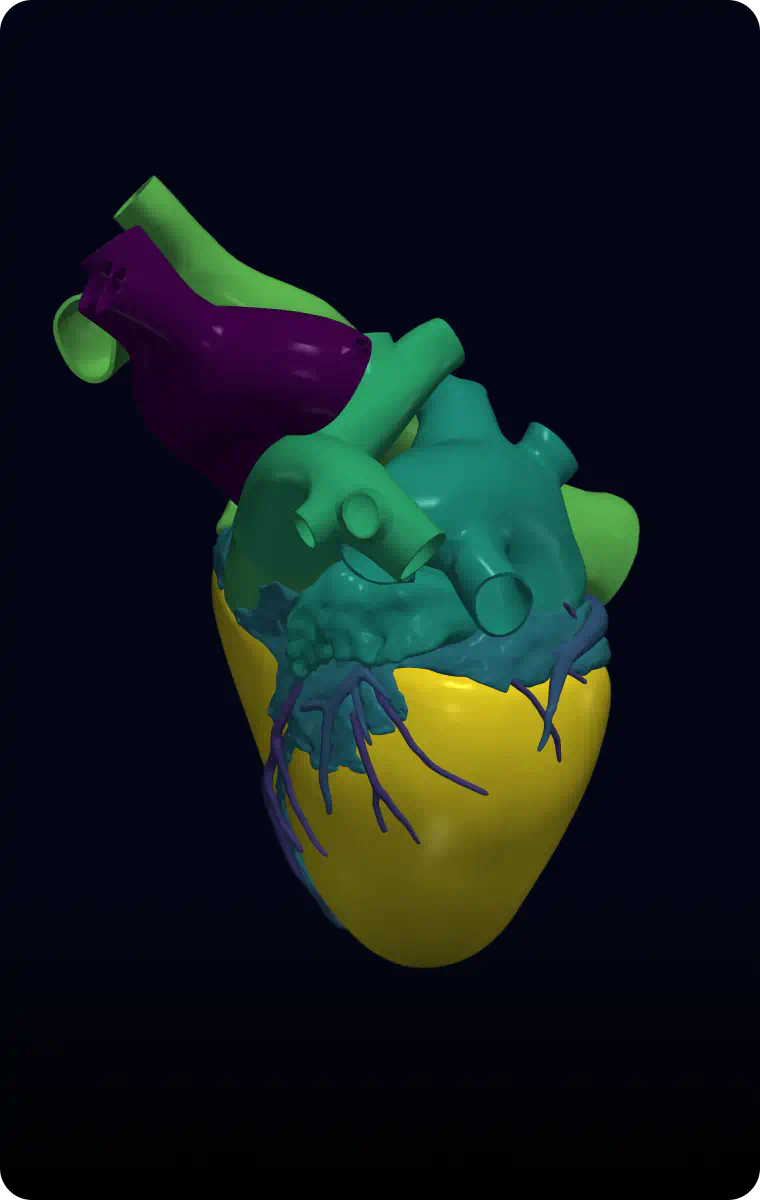
Our approach starts with creating 3D models of individual patients. These models integrate patient-specific data into a multiphysics and multiscale simulation environment powered by high-performance computing and physics-based solvers.

This enables quantitative predictions of clinical outcomes, such as cardiac risk, therapeutic efficacy, and patient-specific biomarkers and indicators. Our patient-specific models capture the unique physiological, anatomical, and functional characteristics of each individual.

Patient data - Echography

Patient data - Segmentation

ELEM whole heart Multiphysics model 

Outputs — Quantitative predictions of clinical outcomes 

For in silico clinical trials

Populations

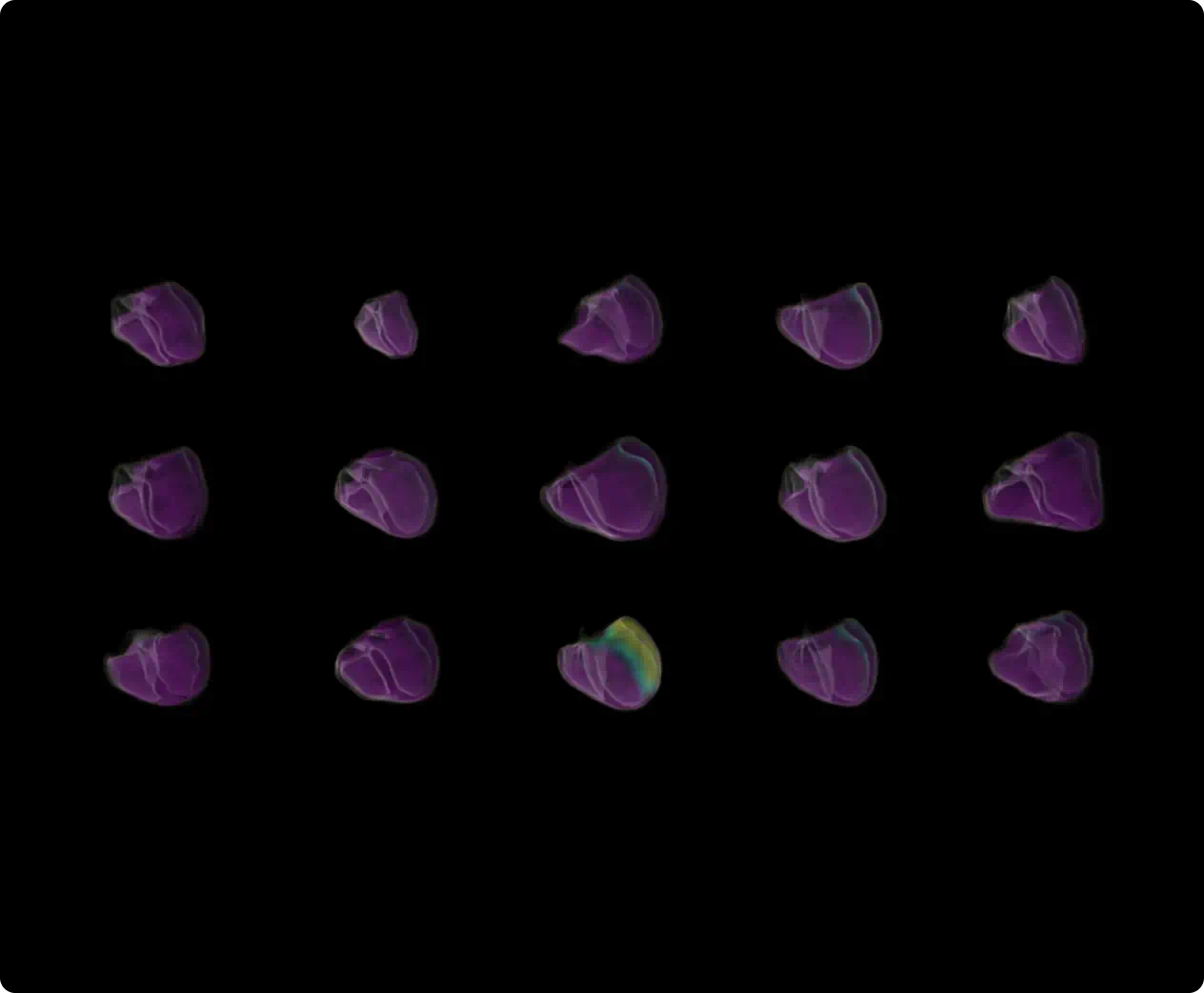
Beyond individual models, we build statistically diverse Virtual Populations starting from real patient data.

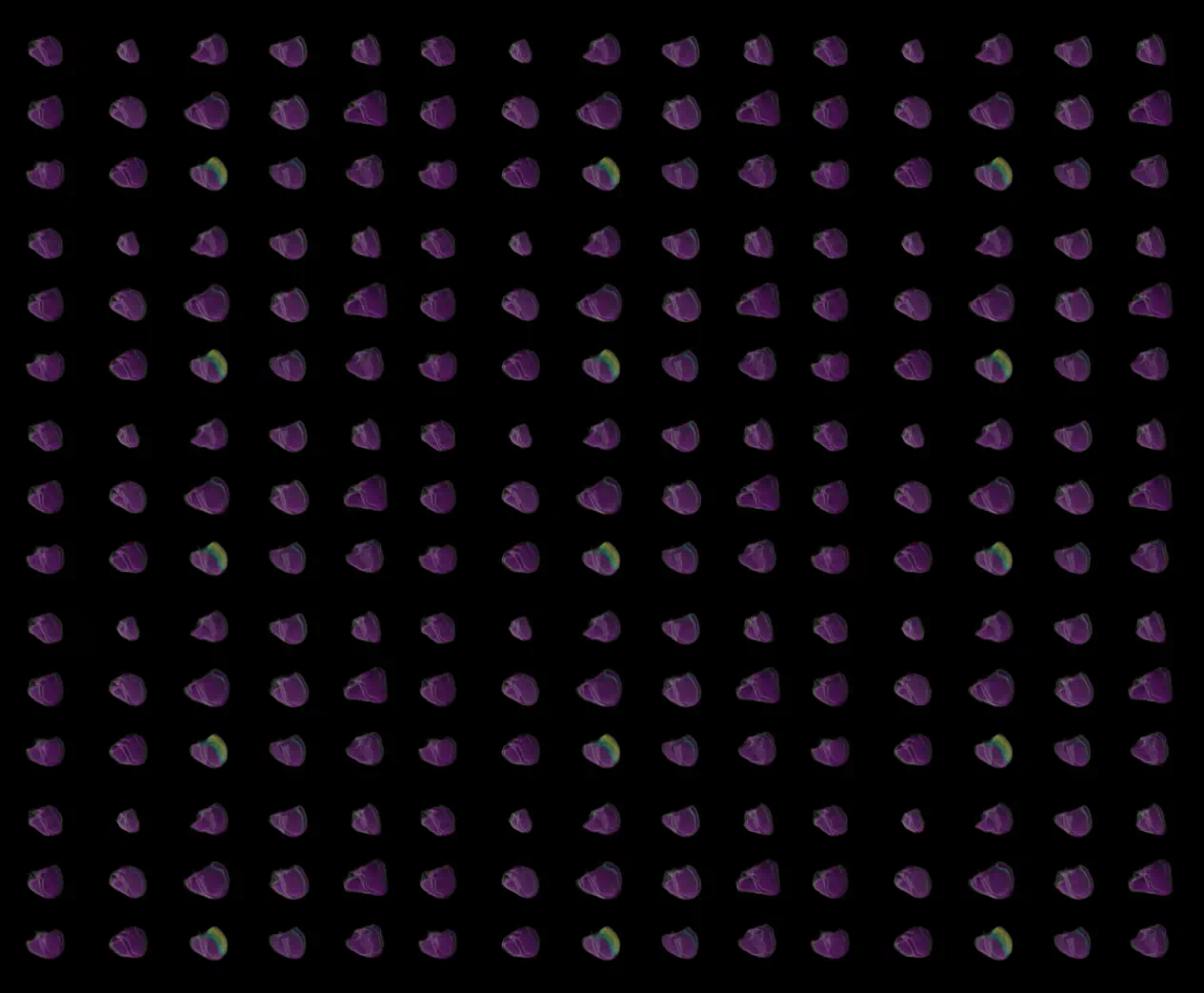
Using ELEM's proprietary technology, powered by advanced AI tools, these cohorts are scaled up to thousands of virtual patients with different risk profiles, anatomies, and responses.

This enables bigger and better trials that account for variability, safety and efficacy, across a broad patient landscape. Our Virtual Populations mirror the diversity of real populations, from healthy to pathological conditions.

More info on how ELEM Virtual Humans can help you?

Contact us

R&D and Future Vision

Our technology is the result of an agile, multidisciplinary R&D process, rooted in collaboration with academic institutions, clinical partners and regulatory bodies.

Driven by clinical needs and scientific opportunities, we are expanding beyond cardiovascular applications to address broader and more complex challenges in human biology. Current R&D lines include:

  • Respiratory systems modeling
  • Uterus modeling
  • Multi-organ interaction modeling
  • Disease progression prediction

World wide collaborations

World wide collaborations

Academy

Oxford University

(UK)

Universidad Politécnica de Valencia

(Spain)

Universitat Pompeu Fabra

(Spain)

University College London

(UK)

Washington University of Saint Louis

(US)

Healthcare Organization

Hôpital Européen Georges-Pompidou

(France)

Hospital de la Santa Creu i Sant Pau

(Spain)

Barcelona Supercomputing Center

(Spain)

Media Coverage, Publications and Conferences

Scientific insights

ELEM actively participates in research collaborations and contributes to peer-reviewed journals, leading conferences and clinical studies.

Replicating clinical placebo effects in computational trials: Bridging the gap between in silico and clinical studies

Paula Dominguez-Gomez, Constantine Butakoff, Georg Ras, Borje Darpo, Mariano Vazquez, Jazmin Aguado-Sierra

18/10/2025

Read now

Digital twins and Big AI: the future of truly individualised healthcare

Peter Coveney, Roger Highfield, Eric Stahlberg, Mariano Vázquez

01/08/2025

Read now

Computational fluid dynamics for vascular assessment in hepatobiliopancreatic surgery: a pilot study and future perspectives

Carolina González-Abós, Roberto Molina, Sofía Almirante, Mariano Vázquez & Fabio Ausania

01/04/2025

Read now

A porohyperelastic scheme targeted at High-Performance Computing frameworks for the simulation of the intervertebral disc

Dimitrios Lialios, Beatriz Eguzkitza, Guillaume Houzeaux, Eva Casoni, Laura Baumgartner, Jérôme Noailly, Estefano Muñoz-Moya, Benjamin Gantenbein d e, Mariano Vázquez

18/02/2025

Read now

Fast and accurate prediction of drug induced proarrhythmic risk with sex specific cardiac emulators

Paula Dominguez-Gomez, Alberto Zingaro, Laura Baldo-Canut, Caterina Balzotti, Borje Darpo, Christopher Morton, Mariano Vázquez & Jazmin Aguado-Sierra

26/12/2025

Read now

Get started

Safer and faster decisions?

Request a demo

One of our experts will get in touch with you